About Our Project
A deep dive into educational equity across California public high schools — exploring how race/ethnicity and geography shape access to Advanced Placement coursework using data from the U.S. Department of Education.
Primary Dataset
Focus Region
Team Members
Sources
The primary dataset used in this project comes from the Civil Rights Data Collection (CRDC), compiled by the U.S. Department of Education’s Office for Civil Rights. The CRDC collects information from public schools across the United States on topics related to educational access and equity — including student demographics, course offerings, and participation in programs such as Advanced Placement (AP).
Using the CRDC dataset allows us to examine large-scale patterns in educational access across many schools. However, the CRDC reports aggregated school-level enrollment counts rather than individual student experiences. While the data can reveal structural disparities in AP participation, it cannot fully capture the social, institutional, or counseling-related factors that may influence whether students have the opportunity to enroll in AP courses.
Processing
After gathering the CRDC 2021–2022 data, we prepared the dataset for analysis using R. The CRDC distributes data across multiple “modules” — each corresponding to a different section of the survey (e.g., coursework, enrollment, discipline, and school characteristics) — with a total of more than 2,000 encoded variables. To navigate this structure, we created a working data dictionary that mapped variable names to their corresponding survey questions and clarified whether values represented indicators, counts, or other measures.
To support our analysis, we created several derived variables due to the CRDC’s highly disaggregated fields. For example, we generated totals for AP enrollment and aggregated enrollment counts across race and gender categories. All processing steps were documented in an R Markdown file to maintain a clean and reproducible workflow for the team.
Throughout the project we produced multiple intermediate datasets as our narrative and analysis progressed. These included specialized subsets such as a high-school-only dataset to better interpret SAT/ACT participation and a county-level mapping dataset created by joining an external ZIP-to-county file. These processed datasets ultimately served as the foundation for the visualizations and analysis presented on our website.
Presentation
To present our research, we built a website using WordPress — allowing us to organize our project clearly while combining text, visualizations, and maps in one place. Presenting as a website lets viewers explore the findings more interactively than through a traditional research paper.
Bar charts show AP course enrollment by ethnicity, comparing participation across racial and ethnic groups. Additional charts examine representation gaps and SAT/ACT participation, providing context for understanding access to college-preparatory opportunities. A map visualization created in ArcGIS illustrates geographic patterns across California.
To provide historical context, we included a timeline using the Cool Timeline WordPress plugin, drawing on Learning in the Fast Lane by Scanlan and Finn (2019) — which highlights both AP program successes and ongoing challenges around equity and exam scores.
Meet Our Team
Why We Care About This Topic
Eleanor
As a high school student from the Bay Area, I didn’t even need to think about whether I would take AP courses and exams—my parents, peers, and teachers all encouraged them without hesitation. However, after meeting students from a variety of backgrounds after coming to UCLA, I realized that I took these opportunities for granted. Now, I am interested in how equitable advanced education is and what prevents driven students from accessing it.
Jenny
Growing up, I took AP classes because I believed they would be good for my future and help me get into a good university. I cared a lot about my education, so taking AP courses felt like the obvious choice for me. However, I later realized that not all students have the same access to these opportunities. Some schools offer many AP classes while others offer very few, which means students may not always have the same chances to take them. Because of my own experience with AP courses, I became interested in learning more about who actually has access to AP classes and which students are able to take them. This curiosity is what led me to explore patterns in AP enrollment and access for this project.
Bode
As an aspiring economist and philosopher, I am interested in examining the drivers of our economy and, more broadly, our society. This topic allows me to examine the discrepancies in our educational system and their implications for our communities.
Anika
My Utah high school attracted students from all over the valley because it offered a wide range of AP and IB courses. It was also located in a predominantly Hispanic community, so the disparities in who took which classes were striking. Additionally, I spent 4 years working in education where I saw firsthand the literacy and competency rates for young students declining, learning gaps often only filled by if families could afford private tutoring. I’m passionate about understanding the barriers that communities face in accessing education and what can be done to reduce them.
Evan
As an aspiring college educator, I’m interested in how students are able to navigate the college admissions process and what barriers there are to academic success. I believe that everyone deserves a quality education and am curious how we can address current gaps in our public education system.
Ethan
I became interested in this topic because my younger brother is currently in high school and navigating decisions about classes that affect college opportunities. Watching him go through this process made me curious about how access to AP courses can vary county to county and whether certain students may have fewer opportunities to participate.
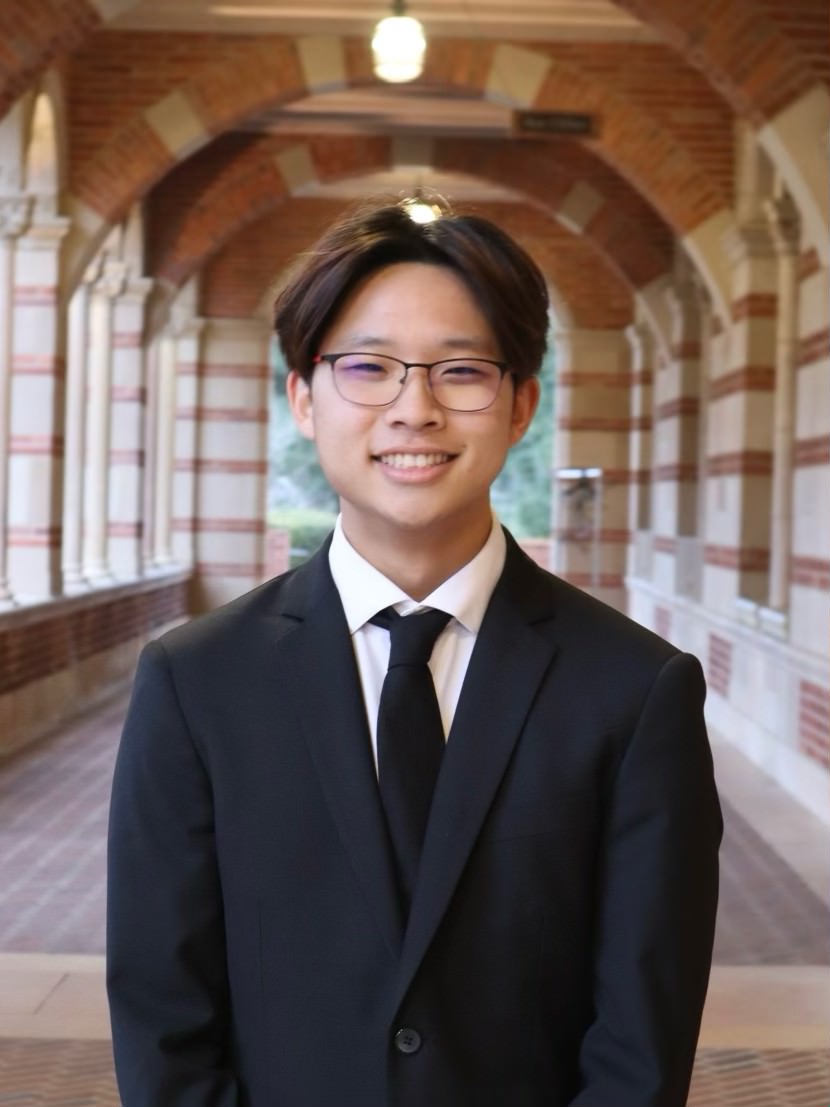
Data Specialist

Content Manager

Editor

Web Designer
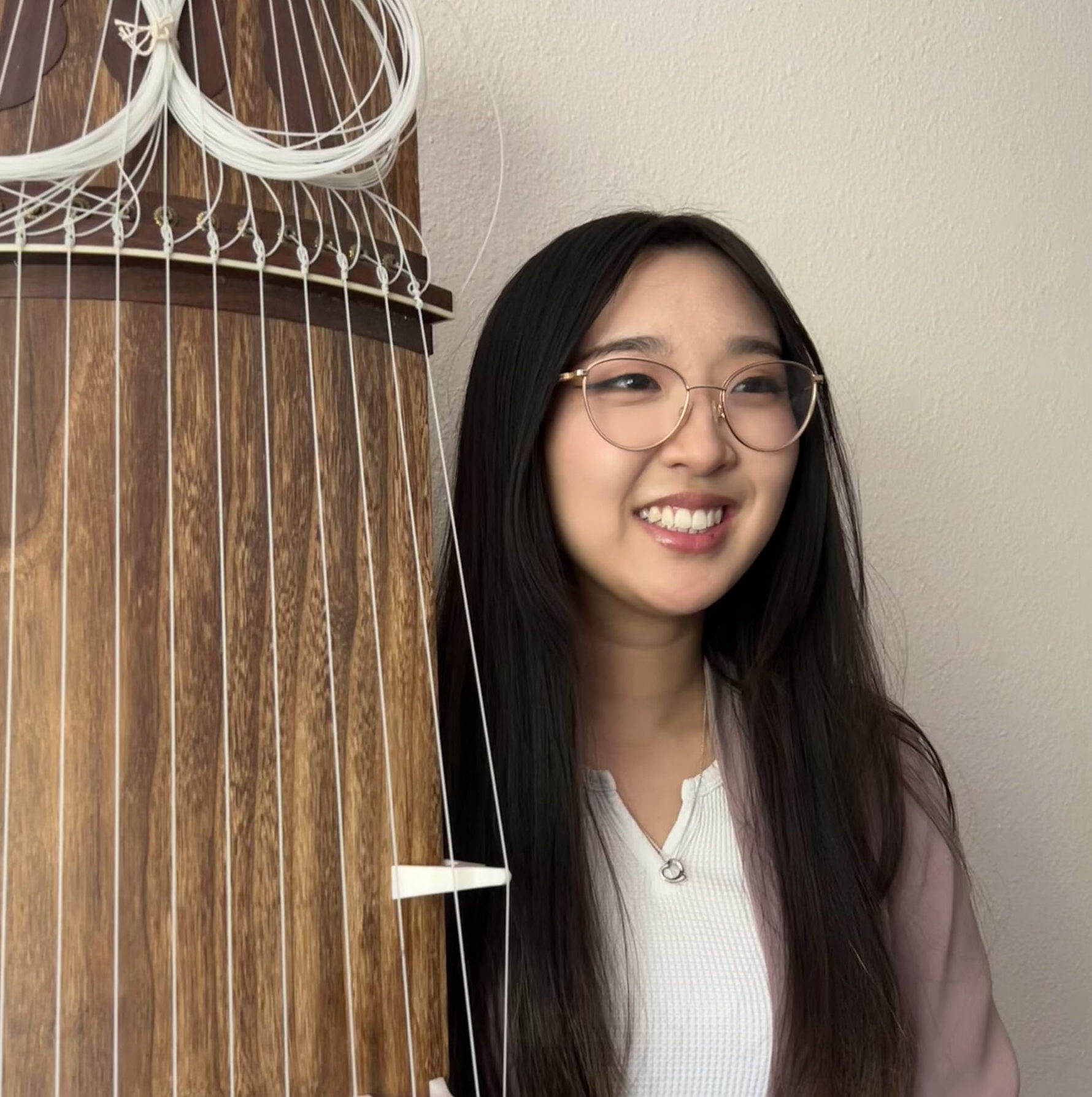
Project Manager

Data Viz Specialist
Acknowledgments
We would like to thank our teaching assistant, Kai Nham, for guiding us throughout this project and for always being available to answer our questions and provide helpful feedback. We also thank our professor, Dr. Nicholas Sabo, for teaching and supporting us throughout the course and for providing the guidance that made this project possible.